Ovulation Is the Main Event of the Menstrual Cycle
 A menstrual cycle is, by definition, an ovulatory cycle in which ovulation is the main event, and progesterone is made. Any other kind of bleed is either an anovulatory bleed or a pill bleed.
Furthermore, progesterone (which can only be made by ovulating) is important for general health, and is not just to make a baby.
Is It Normal Period Pain or Endometriosis?

Normal period pain or dysmenorrhea should be mild and respond to simple treatments like ibuprofen, zinc, or a dairy-free diet.
If period pain does not respond to simple treatments, it’s severe period pain, and could be a symptom of a condition such as endometriosis, adenomyosis, fibroids, infection, pelvic congestion syndrome, or pelvic floor tension.
Debilitating period pain is never normal.
The Role of Histamine and Mast Cells in PMS and PMDD

Mast cell activation and histamine can play a role in premenstrual syndrome (PMS) and premenstrual dysphoric disorder (PMDD).
That’s why mid-cycle, premenstrual, and perimenopausal mood symptoms can be relieved by antihistamines and natural histamine-reducing strategies such as quercetin, vitamin B6, SAM-e, and a dairy-free diet.
The Dos and Don’ts of Vitex for Period Problems

Vitex (also called chaste tree or chasteberry) is a herbal medicine prepared from the berries of the Mediterranean tree Vitex agnus-castus. In ancient times, it was used to suppress the libido of monks, hence the name. Fortunately, it does not have that effect on women.
Vitex is effective medicine for breast pain, irregular periods, premenstrual mood symptoms, and some types of acne.
The Downside to Contraceptive Injections and Implants

The progestins of contraceptive injections and implants can cause depression, weight gain, and irregular menstrual bleeding.
Side effects occur because 1) progestins are not progesterone, and 2) progestins at that dose can suppress ovulation and cause anovulatory bleeding. Keep reading to learn the difference between a real period, an anovulatory bleed, and a pill bleed.
PCOS Cannot Be Diagnosed (or Ruled Out) by Ultrasound
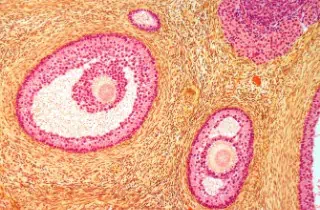
Polycystic ovary syndrome (PCOS) cannot be diagnosed by ultrasound because polycystic ovaries are not cysts. They’re follicles or eggs which are normal for the ovary.
It’s normal for all women to sometimes have a higher number of follicles. It’s normal for young women to always have a higher number of follicles because young women have more eggs. That’s why PCOS cannot be diagnosed by ultrasound. At the same time, PCOS cannot be ruled out by ultrasound because it’s possible to have normal-appearing ovaries on ultrasound and still have the hormonal condition PCOS.