4 Types of PCOS (a Flowchart)
Polycystic ovary syndrome (PCOS) is not one disease. Instead, it’s “a heterogeneous disorder with different underlying biological mechanisms.” In other words, PCOS is a collection of symptoms—primarily androgen excess and anovulatory cycles—caused by different underlying mechanisms or drivers.
To effectively treat PCOS, you need to identify which mechanism (or combination of mechanisms) is driving your symptoms.
That’s why it’s helpful to identify your functional type of PCOS. These include:
- Insulin-resistant PCOS (most common)
- Post-pill PCOS (usually temporary)
- Inflammatory PCOS
- Adrenal PCOS (least common)
Why I Prescribe Iodine for Breast Pain, Ovarian Cysts, and Premenstrual Mood Symptoms
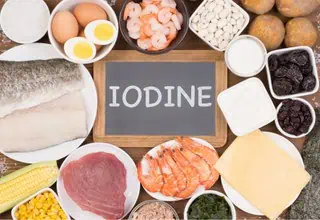
Iodine has beneficial anti-estrogenic effects that can relieve breast pain, ovulation pain, and premenstrual mood symptoms. It may also help prevent ovarian cysts by promoting healthy estrogen metabolism, down-regulating estrogen receptors, and stabilizing estrogen-sensitive tissue.
That makes iodine one of the best treatments for estrogen excess or so-called “estrogen dominance”—although I don’t use that term.
The Power of Magnesium in Perimenopause: Natural Relief for Sleep and Hormones
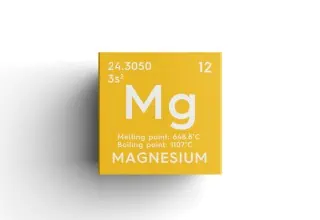
In women’s health, magnesium is the “Swiss Army knife” of nutrients—beneficial for everything from period pain to PCOS and PMS. It’s also a powerhouse for perimenopause, and here’s why.
How Too Much Testosterone Can Cause Weight Gain in Women

In women, too much testosterone can promote insulin resistance and visceral fat.
That’s why androgen excess is the primary driver of weight gain with polycystic ovary syndrome (PCOS), some types of birth control, and perimenopause.
Decoding Hypoglycemia: Is It Insulin Resistance or Dysautonomia?
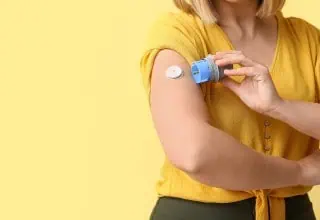
Is your low blood sugar a symptom of insulin resistance or mild dysfunction of the autonomic nervous system?
In episode 16 of my podcast, I return to the topic of hypoglycemia to discuss the difference between insulin resistance and dysautonomia, why unstable blood sugar does not automatically mean insulin resistance, and my concerns about continuous glucose monitoring.
Hypoglycemia in Young Women: The Science Behind “Hangry”

Symptoms of hypoglycemia or low blood sugar include light-headedness, headaches, and anxiety. Hypoglycemia can even feel like panic attacks.
In my latest podcast and YouTube video, I discuss why young women are more prone to hypoglycemia, the importance of the autonomic nervous system and a “blunted glucagon response,” and what you can do to feel better.
🟠