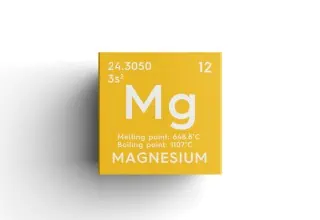
In women’s health, magnesium is the “Swiss Army knife” of nutrients—beneficial for everything from period pain to PCOS and PMS. It’s also a powerhouse for perimenopause, and here’s why.
Lara Briden - The Period Revolutionary
Leading the change to better periods and hormones
Perimenopause is the two to ten years leading up to menopause and is the time when symptoms are most likely to occur. Symptoms of perimenopause include anxiety, insomnia, weight gain, night sweats, and a reduced ability to cope with stress. Treatment options include magnesium and body-identical micronized progesterone such as Prometrium capsules.
In women’s health, magnesium is the “Swiss Army knife” of nutrients—beneficial for everything from period pain to PCOS and PMS. It’s also a powerhouse for perimenopause, and here’s why.

In women, too much testosterone can promote insulin resistance and visceral fat.
That’s why androgen excess is the primary driver of weight gain with polycystic ovary syndrome (PCOS), some types of birth control, and perimenopause.

Is your low blood sugar a symptom of insulin resistance or mild dysfunction of the autonomic nervous system?
In episode 16 of my podcast, I return to the topic of hypoglycemia to discuss the difference between insulin resistance and dysautonomia, why unstable blood sugar does not automatically mean insulin resistance, and my concerns about continuous glucose monitoring.

Night sweats, mood swings, and crazy heavy periods. Is this menopause already? And you’re only 42? No, menopause could still be a decade away. This is perimenopause or second puberty, which is the decade or so before your final period.
Perimenopause is different from menopause (or post-menopause), which is the life phase that begins one year after your final period.