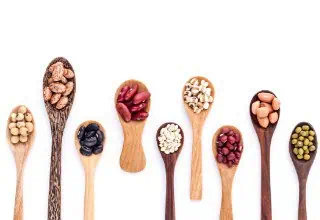
How Phytoestrogens Can Lower Estrogen and Lighten Periods

Phytoestrogens are a special group of phytonutrients that occur naturally in most plant foods. The two major classes are isoflavones in soy and lignans in seeds, whole grains, legumes, fruits, and vegetables.

They’re called phytoestrogens because they interact with estrogen receptors, but they’re not estrogen. In fact, they bind so weakly to estrogen receptors that they effectively block estradiol and are more accurately characterized as anti-estrogen.
Read more

Why Progesterone Is Both Good and Bad for Mood—and How to Treat PMDD

Progesterone is usually good for mood, but can cause sometimes cause anxiety.

When it comes to mood, progesterone is a paradox.

For most women, it’s soothing, thanks to its calming effect on the brain. But for some, it can trigger anxiety, irritability, or even rage. What’s going on?

💡 Also read: Troubleshooting progesterone and Top 6 natural treatments for premenstrual mood symptoms

Read more

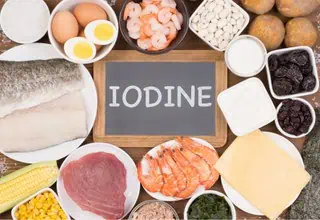
Why I Prescribe Iodine for Breast Pain, Ovarian Cysts, and Premenstrual Mood Symptoms

iodine for women's health

Iodine has beneficial anti-estrogenic effects that can relieve breast pain, ovulation pain, and premenstrual mood symptoms. It may also help prevent ovarian cysts by promoting healthy estrogen metabolism, down-regulating estrogen receptors, and stabilizing estrogen-sensitive tissue.

That makes iodine one of the best treatments for estrogen excess or so-called “estrogen dominance”—although I don’t use that term.

Read more

What Estrogen Does in Your 40s (and How Progesterone Can Help)

Estrogen rollercoaster of perimenopause

Night sweats, mood swings, and crazy heavy periods. Is this menopause already? And you’re only 42? No, menopause could still be a decade away. This is perimenopause or second puberty, which is the decade or so before your final period.

Perimenopause is different from menopause (or post-menopause), which is the life phase that begins one year after your final period.

Read more