How to Lower Estrogen

too much estrogen

High estrogen can contribute to heavy periods, breast pain, fibroids, and premenstrual mood symptoms. It can also suppress thyroid function and increase the risk of breast cancer.

To lower estrogen, you need to understand all the types of estrogen and why they’re high.

Read more

How to Survive the Great Progesterone Crash of Perimenopause

perimenopause and stressIn your forties, you may find you don’t cope as well with stress. It happens because losing progesterone during perimenopause can destabilize the HPA (adrenal) axis or stress response system.

This recalibration of the nervous system is why perimenopause is associated with an increased risk of anxiety, depression, and insomnia.

Read more

A Safer Type of Hormone Therapy

If you’re going to take hormone therapy, it’s safer to take hormones that are identical to human hormones. In other words, hormones that are body-identical or bioidentical. The concept of bioidentical used to be controversial but is now conventional and mainstream.

In episode five of my podcast/YouTube video, I discuss hormone therapy, including why the concept of bioidentical was controversial when it didn’t need to be; oral micronized progesterone for heavy periods, mood, sleep, and perimenopausal migraines; and some quick facts about body-identical estrogen.

Read more

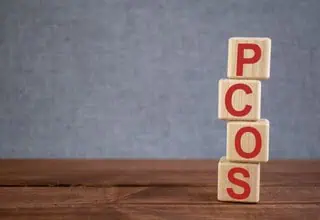
PCOS Cannot Be Diagnosed by Ultrasound

PCOS cannot be diagnosed by ultrasound.

Were you told you have polycystic ovary syndrome or PCOS based on a pelvic ultrasound? That may or may not be an accurate diagnosis because PCOS cannot actually be diagnosed or ruled out with ultrasound.

In episode three of my podcast/YouTube video, I discuss PCOS including topics such as: why PCOS is an umbrella term, the difference between polycystic ovaries and ovarian cysts, and why some women with undereating and endometriosis are being mistakenly told they have PCOS.

Read more