Making Friends With Your Luteal Phase

Mood symptoms in the luteal phase.

There’s a lot going on in the luteal or premenstrual phase of the menstrual cycle, including higher histamine and an increased requirement for sodium. And if you’ve been struggling with hormonal mood symptoms, the solution might be simpler than you think.

Check out episode 19 of my podcast, where I explore the luteal phase.

🟦
Read more

Why Progesterone Is Both Good and Bad for Mood—and How to Treat PMDD

Progesterone is usually good for mood, but can cause sometimes cause anxiety.

When it comes to mood, progesterone is a paradox.

For most women, it’s soothing, thanks to its calming effect on the brain. But for some, it can trigger anxiety, irritability, or even rage. What’s going on?

💡 Also read: Troubleshooting progesterone and Top 6 natural treatments for premenstrual mood symptoms

Read more

Guide to Natural Progesterone

How to use natural progesterone.

Body-identical progesterone (also called bioidentical, natural, or oral micronized progesterone) can be an effective treatment for a range of women’s health conditions, including PCOS, PMDD, migraines, endometriosis, adenomyosis, and perimenopause.

To be clear: progesterone is a real hormone (identical to what the body makes) and usually requires a doctor’s prescription. Depending on your country, brand names include Prometrium, Utrogestan, Teva, and Famenita. In some countries, progesterone cream is available over the counter. Cream can help with mild symptoms, but it’s generally less effective than capsules.

Read more

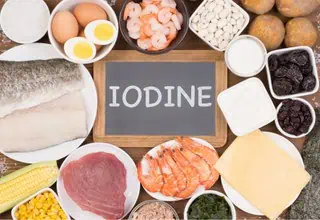
Why I Prescribe Iodine for Breast Pain, Ovarian Cysts, and Premenstrual Mood Symptoms

iodine for women's health

Iodine has beneficial anti-estrogenic effects that can relieve breast pain, ovulation pain, and premenstrual mood symptoms. It may also help prevent ovarian cysts by promoting healthy estrogen metabolism, down-regulating estrogen receptors, and stabilizing estrogen-sensitive tissue.

That makes iodine one of the best treatments for estrogen excess or so-called “estrogen dominance”—although I don’t use that term.

Read more