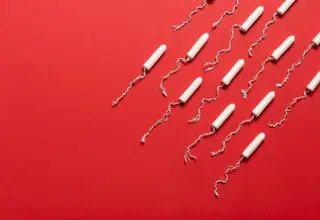
Natural Treatment of Heavy Periods

Natural treatment of heavy periods.

In a normal period, you should not lose more than about 80 mL of menstrual fluid over all the days of the bleed. That’s equivalent to about five tablespoons spread over all the days of the bleed.

In episode two of my podcast/YouTube video, I discuss heavy periods including the role of hormone imbalance, mast cell activation, and insulin resistance; simple period-lightening strategies such as iron, zinc, and a dairy-free diet; and using body-identical progesterone to lighten periods.

Read more

4 Causes of Androgen Excess in Women

If you suffer hair loss, facial hair (hirsutism), or acne, then you know all about androgen excess or high male hormones.

You may have been given the diagnosis of PCOS, but there are actually several different reasons for androgen excess in women, including androgen hypersensitivity, adrenal androgen excess, high prolactin, menopause, and hormonal birth control with a high androgen index.

Read more

Ovulation Is the Main Event of the Menstrual Cycle

Anovulatory cycles and pill bleeds.A menstrual cycle is, by definition, an ovulatory cycle in which ovulation is the main event, and progesterone is made. Any other kind of bleed is either an anovulatory bleed or a pill bleed.

Furthermore, progesterone (which can only be made by ovulating) is important for general health, and is not just to make a baby.  

Read more

The Downside to Contraceptive Injections and Implants

woman with contraceptive implant

The progestins of contraceptive injections and implants can cause depression, weight gain, and irregular menstrual bleeding. 

Side effects occur because 1) progestins are not progesterone, and 2) progestins at that dose can suppress ovulation and cause anovulatory bleeding.  Keep reading to learn the difference between a real period, an anovulatory bleed, and a pill bleed.

Read more