
The Hidden Story of Endometriosis: Pain, Lesions, and the Microbiome

The hidden story of endometriosis.

If you’ve been diagnosed with endometriosis, the big question is: What type of lesions? Because if they’re only superficial lesions, they might not be the explanation for what’s going on.

In episode 17 of my podcast, I dive into the three types of endometriosis lesions, emerging evidence that superficial lesions may not explain pain or other symptoms, alternative explanations for pelvic pain and infertility, and an update on the bacterial contamination hypothesis.
Read more

Zinc for Women’s Health

zinc for hormones

Want a simple solution for period and hormone problems? Consider the humble mineral zinc.

According to the 2020 paper, The Role of Zinc in Selected Female Reproductive System Disorders, zinc can be an effective treatment for many women’s health conditions, including PCOS, period pain, endometriosis, and vaginal dryness during menopause.

🔴

Read more

How Phytoestrogens Can Lower Estrogen and Lighten Periods

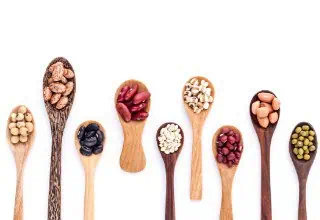
Phytoestrogens are a special group of phytonutrients that occur naturally in most plant foods. The two major classes are isoflavones in soy and lignans in seeds, whole grains, legumes, fruits, and vegetables.

They’re called phytoestrogens because they interact with estrogen receptors, but they’re not estrogen. In fact, they bind so weakly to estrogen receptors that they effectively block estradiol and are more accurately characterized as anti-estrogen.

Read more

Guide to Natural Progesterone

How to use natural progesterone.

Body-identical progesterone (also called bioidentical, natural, or oral micronized progesterone) can be an effective treatment for a range of women’s health conditions, including PCOS, PMDD, migraines, endometriosis, adenomyosis, and perimenopause.

To be clear: progesterone is a real hormone (identical to what the body makes) and usually requires a doctor’s prescription. Depending on your country, brand names include Prometrium, Utrogestan, Teva, and Famenita. In some countries, progesterone cream is available over the counter. Cream can help with mild symptoms, but it’s generally less effective than capsules.

Read more