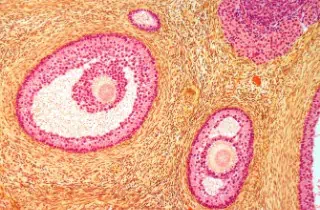
PCOS Cannot Be Diagnosed (or Ruled Out) by Ultrasound

Polycystic ovary syndrome (PCOS) cannot be diagnosed by ultrasound because polycystic ovaries are not cysts. They’re follicles or eggs which are normal for the ovary.

It’s normal for all women to sometimes have a higher number of follicles. It’s normal for young women to always have a higher number of follicles because young women have more eggs. That’s why PCOS cannot be diagnosed by ultrasound. At the same time, PCOS cannot be ruled out by ultrasound because it’s possible to have normal-appearing ovaries on ultrasound and still have the hormonal condition PCOS.

Read more

Diet and Natural Progesterone for Heavy Periods

heavy periodsSuccessful treatment of heavy periods relies on identifying an underlying cause such as hormone imbalance (low progesterone), adenomyosis, or thyroid disease.


Treatment for heavy menstruation is to treat the cause as well as use general period-lightening strategies such as natural progesterone and a dairy-free diet. 

Read more

How Soy Affects Hormones and Health

Soy contains phytoestrogens or “plant-estrogens,” which sounds bad but by out-competing estradiol, phytoestrogens can have a beneficial anti-estrogen effect in women of reproductive age.

That’s why soy and other phytoestrogens can make periods lighter and improve estrogen excess symptoms such as PMS and heavy periods. 

Read more

High-Dose Fructose Can Cause or Worsen Insulin Resistance (But Fruit Is Okay)

fructose and insulin resistance

High-dose fructose can cause or worsen insulin resistance, abdominal weight gain, fatty liver, heavy periods, and PCOS.

High-dose fructose comes from table sugar (sucrose), high-fructose corn syrup, and even some natural sweeteners such as agave, coconut sugar, dates, dried fruit, and fruit juice.

Whole fruit is healthy and does not cause insulin resistance because 1) whole fruit contains only low-dose fructose, and 2) fruit also provides beneficial nutrients, fibre, and polyphenols.

Read more