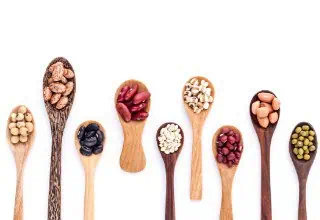
How Phytoestrogens Can Lower Estrogen and Lighten Periods

Phytoestrogens are a special group of phytonutrients that occur naturally in most plant foods. The two major classes are isoflavones in soy and lignans in seeds, whole grains, legumes, fruits, and vegetables.

They’re called phytoestrogens because they interact with estrogen receptors, but they’re not estrogen. In fact, they bind so weakly to estrogen receptors that they effectively block estradiol and are more accurately characterized as anti-estrogen.

Read more

Taurine: 5 Benefits for Women’s Health

Taurine for women's health

Taurine is one of my favorite prescriptions for perimenopause, menopause, sleep, mood, insulin resistance, and migraine prevention.

Taurine is an amino acid, but unlike most amino acids, it doesn’t build protein. Instead, taurine has directly beneficial effects on the liver, brain, mitochondria, immune system, and nervous system. Taurine is so important that it makes up about 0.1 percent of total body weight.

Read more

How to Increase Estrogen

If you’re a woman of reproductive age, you should be making estrogen with every menstrual cycle. Estrogen is essential for healthy mood, bone, muscle, and metabolism.

Signs you’re making enough estrogen include cervical fluid and regular ovulation.

Signs of low estrogen include absent periods and vaginal dryness.

Read more

Why a Vegan or Plant-Based Diet Can Be Bad for Periods

A vegan or exclusively plant-based diet can make periods lighter and less painful, which is good. Over time, however, an exclusively plant-based diet can cause irregular or heavy periods due to impaired ovulation and low progesterone.

The main problem with an exclusively plant-based diet is that it cannot provide an adequate supply of nutrients such as zinc, iodine, iron, vitamin A, and taurine.

Read more